What certifications does FB Bombas hold?
FB Bombas reports a registration in the Petrobras supplier registry. Petrobras issues the Certificado de Registro Cadastral (CRC), which replaces the former CRCC, to suppliers that meet one or more criteria of the supply family of interest; it is a supplier registration, not a product certification. Validity and supply families must be checked on the current certificate, provided on request.
Is the FBCN dimensionally compliant with ASME B73.1?
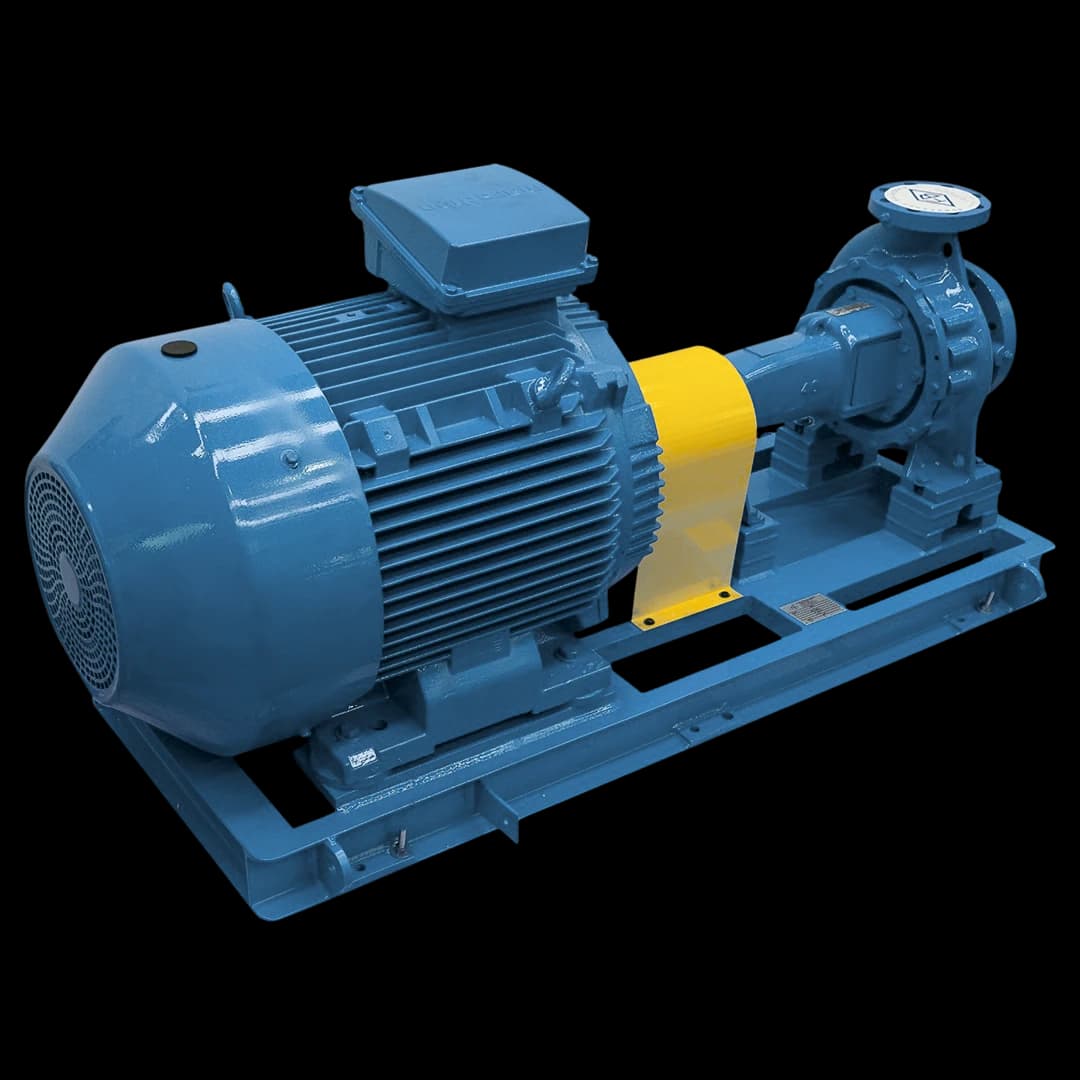
Manual MTEC-03/00 does not state that compliance: it states FBCN mechanical construction per ASME B73.1, not its dimensions. So, before a replacement, interchangeability with the existing pump is checked on each model’s drawing, together with the duty point, materials and drive.
Does FB Bombas retrofit older pumps?
By replacement, not refurbishment. FB Bombas replaces the old pump with a new, complete FB Bombas pump. Before the order, engineering assesses the installation and issues a data sheet and dimensional drawing; the drawing confirms whether the existing baseplate and piping can be kept or need adaptation.
FB Bombas does not refurbish other manufacturers’ pumps, sell third-party parts or reuse the installed casing. For FB Bombas pumps in service, it supplies original parts and maintenance contracts.
Does FB Bombas serve fire protection systems?
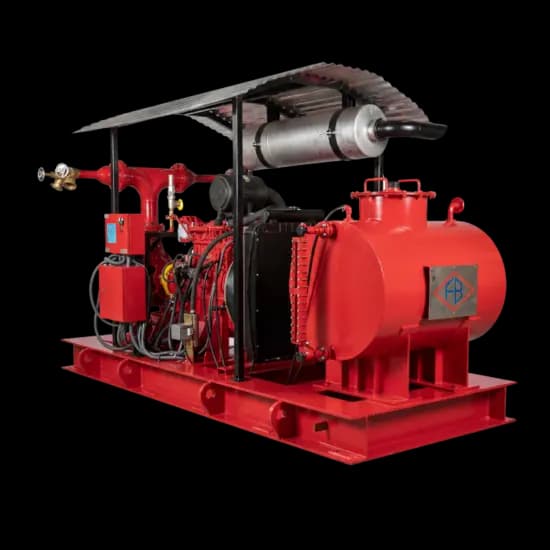
The portfolio includes pumping sets for fire protection systems. Provide the project, duty point, drive arrangement and required standards and acceptance criteria. Compliance must be checked for the supplied set; standards such as NFPA 20 and NBR 16704 are not certificates issued for the entire company.
How long has FB Bombas been in the market?
FB Bombas began manufacturing industrial pumps in 1944. The Our History page presents the company’s development; each series’ technical documentation supports equipment evaluation for your project.
Are FB Bombas pumps easy to maintain?
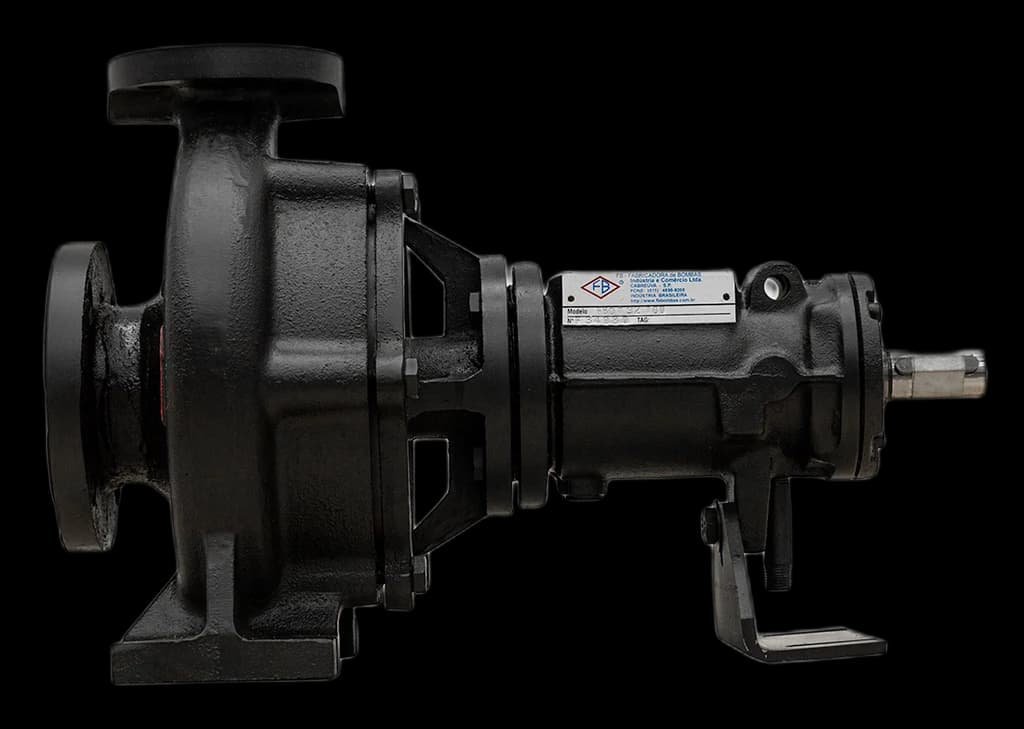
It depends on the series. On the FBCN and FBOT, back pull-out construction allows the bearing-housing assembly to be removed without disconnecting the piping, and the FBEI catalogue also indicates back pull-out construction. The FBE external gear pump is not back pull-out: its shafts are supported on bushings.
Before working on the equipment, check the series manual, the sectional drawing and the parts list.
What is the advantage of buying from a national manufacturer like FB Bombas?
FB Bombas serves projects from its factory, with direct engineering support and parts supply for its equipment. Availability, lead time, transport and on-site service are assessed according to the request. Its industrial pump manufacturing history began in 1944.
Is FB Bombas a national alternative to imported manufacturers in Jenipapo dos Vieiras?
FB Bombas is a Brazilian manufacturer with direct service from its factory. To compare an alternative for the project, check performance, materials, dimensions, documentation and commercial conditions. Brazilian origin alone does not guarantee lower cost, shorter lead time or technical equivalence.
What type of mechanical seal do FB Bombas pumps use?
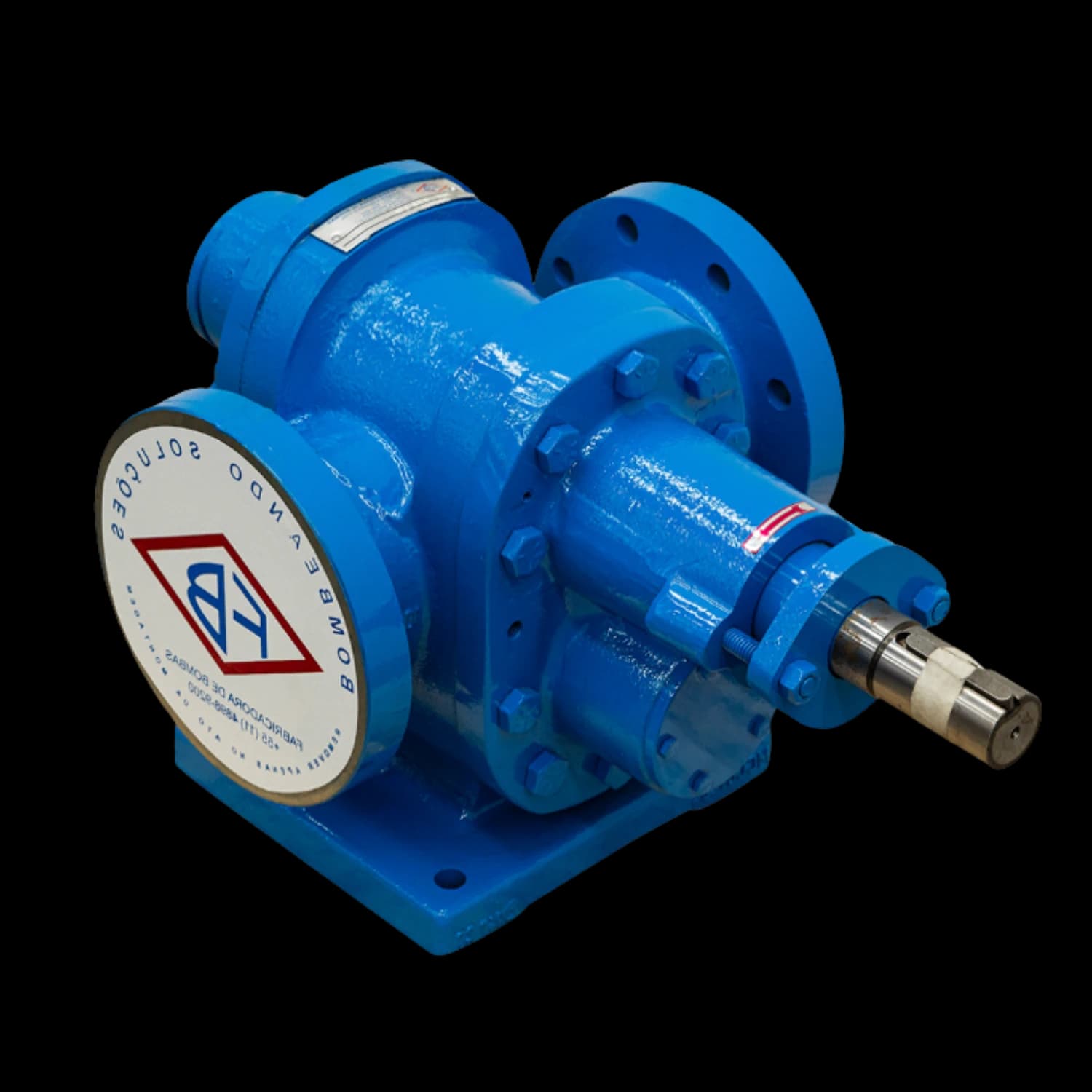
It depends on the series. The FBE can have packing, a mechanical seal, a lip seal or a magnetic coupling; the standard seal is type 21, in ceramic, graphite and Viton, with an AISI 304 stainless-steel spring.
The FBCN uses packing or a mechanical seal, the FBOT combines graphite packing as the first sealing stage with a mechanical seal immersed in the bearing-housing oil, and the FBEI accepts packing or a single, double or cartridge mechanical seal. State the fluid, concentration, temperature and pressure of the process to define the arrangement.
How can I request a pump vibration assessment in Jenipapo dos Vieiras?
Send the series and model of the pump installed, the operating conditions and the available vibration records; the standard, measurement points and limits are defined for the assembly, with no single limit for every pump.
Check the alignment first: the FBEI (MAN001-10) and FBME (MSERV-08/01) manuals identify pump-to-motor misalignment as a source of vibration and premature wear and call for realignment after final installation, because transport usually misaligns the set, which leaves the factory pre-aligned. The stated tolerance is under 0.05 mm radial and 0.6° angular, according to the coupling supplier.