

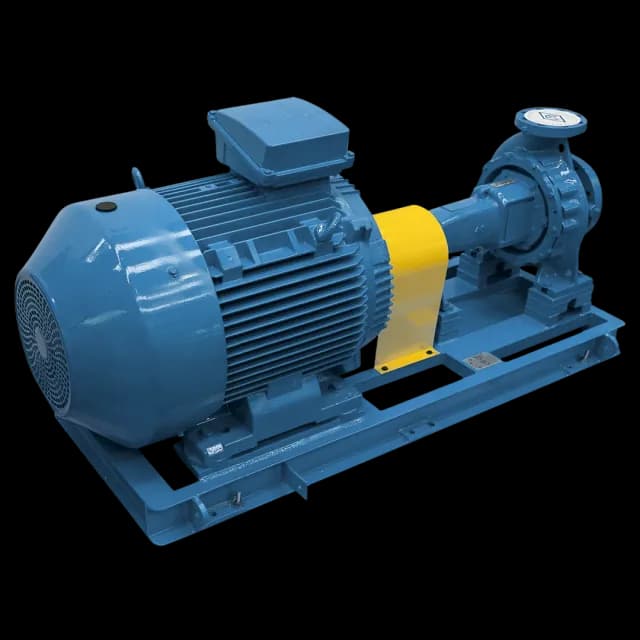
Rotodynamic pumps
The impeller continuously transfers energy to the fluid. Operating flow results from the interaction between the pump curve and the system conditions.
- Technology examples
- Radial centrifugal, mixed-flow and axial-flow pumps.


Understand operating principles, compare technologies and find out what information to gather before choosing a pump for your process.
Classification starts with the operating principle: rotodynamic pumps and positive displacement pumps. The application comes next.
Centrifugal pumps transfer energy to a liquid through a rotating impeller. Positive displacement pumps transport volumes with each cycle. Gear, screw, piston and diaphragm pumps belong to the second group, with different designs and operating conditions.
The impeller continuously transfers energy to the fluid. Operating flow results from the interaction between the pump curve and the system conditions.
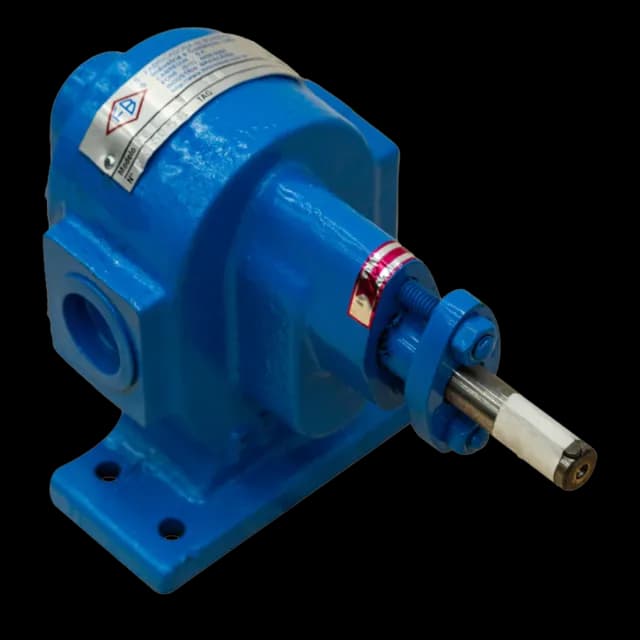
The pump transports volumes through mechanical cycles. Delivered flow also depends on speed, viscosity and internal clearances; it is not independent of operating conditions.
Thermal oil and fire protection describe duties. A thermal oil pump can be centrifugal, as with the FBOT. A fire protection system combines equipment specified for the project; it is not a third pumping principle.
Each block represents a technology in the FB portfolio. Confirm flow, pressure and temperature ranges in the model documentation and for the specified fluid.
A family maximum does not define an operating point. Flow, pressure, speed, material and temperature need to be assessed together.
These details support a technical discussion without choosing a series based only on its appearance or connection size.
Provide the product, viscosity at operating temperature, density and any solids. A liquid trade name alone does not describe the full duty.
State the required flow and pressure or head, including units. If the process varies, provide the known minimum, normal and maximum conditions.
Describe the tank, pump position and pipework. These details support assessment of pump inlet conditions, head losses and cavitation risk.
Specify continuous or intermittent operation, the available drive, and material and sealing requirements. Include the datasheet or project specification when available.
Do not have every detail yet? Send what you know and explain your question. A photo of an existing pump nameplate may help locate its documentation.
Explore industrial pump selection criteriaAnswers that distinguish technology, application and equipment selection.
By operating principle, the two groups are rotodynamic and positive displacement pumps. Centrifugal pumps belong to the first; gear, screw, piston and diaphragm are examples of the second. Thermal oil and fire protection describe applications, which must be assessed together with construction and service conditions.
It is a rotodynamic pump that transfers energy to a liquid through a rotating impeller. Its operating point depends on the interaction between the pump curve and the system. FBCN is a centrifugal series in the FB portfolio; selection requires the model curve and actual fluid and installation conditions.
A centrifugal pump continuously adds energy through its impeller; a gear pump transports volumes between its rotating elements. Viscosity affects the two technologies differently. Specify it at operating temperature and assess it with flow, pressure, suction, materials and sealing, rather than using an automatic rule to select a series.
Start with the fluid, viscosity and temperature, required flow, pressure or head, suction conditions and operating duty. Compare alternatives against manufacturer documentation and project requirements. To discuss your application with FB Bombas, send the available information and identify what still needs to be defined.
The term hydraulic can refer to liquid transfer or to power transmission circuits. This guide focuses on industrial liquid pumping with rotodynamic and positive displacement technologies. For a hydraulic circuit, confirm the function and conditions required by the equipment; a technology name alone does not establish compatibility.
Continue with the topic you need: operation, comparison, sealing or installation conditions.
General principles from the Hydraulic Institute and documentation published by FB Bombas. Check the revision and configuration applicable to your equipment.
Operating principles and pump–system interaction.
Viscosity effects in both pump families.
Radial, mixed-flow and axial-flow pumps.
Hydraulic Institute references are in English. FB documents are available through the manual pages, with their language identified.
Tell us what you need to transfer, the operating conditions and the current difficulty. The conversation starts with your process data.
Explore product series