FB Bombas has manufactured industrial pumps since 1944. Its factory is in Cabreúva, São Paulo. The catalog includes external gear (FBE), internal gear (FBEI), normalized centrifugal (FBCN), multistage centrifugal (FBME), thermal oil (FBOT), fire protection systems and custom solutions. Find a series or model, consult curves and manuals, and share your operating conditions with the sales team for selection.


Catalog of Industrial Pumps
Gear, centrifugal and thermal oil pumps.Technology and quality for your operation.
Gear, centrifugal and thermal oil pumps.Technology and quality for your operation.

FB Bombas catalog
Find your reference.
Search by series, model or manual code.
Série FBE
External Gear Pumps
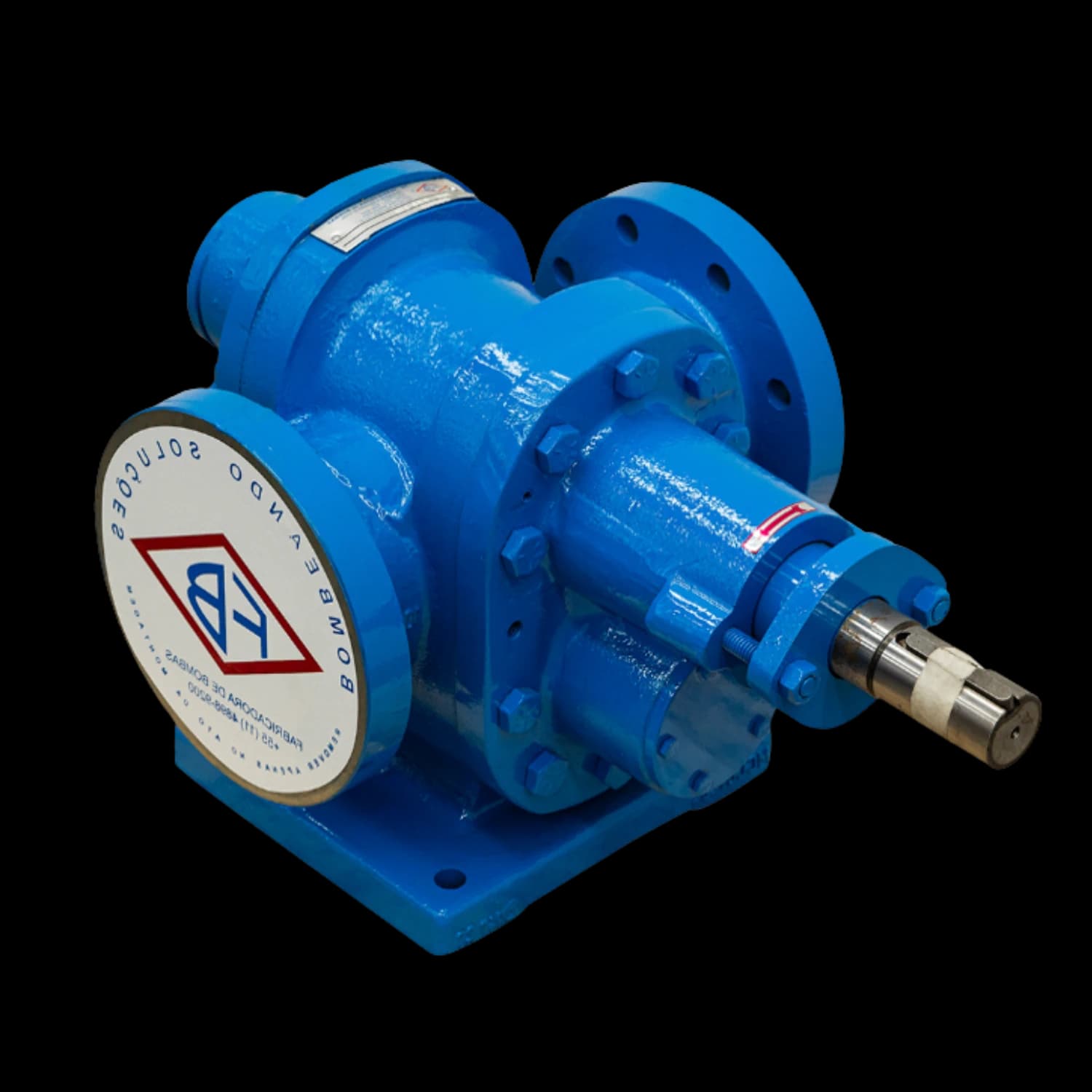
External gear pumps for viscous fluid transfer. Check size-specific limits and availability with our sales team.
Explore ModelsSérie FBEI
Internal Gear Pumps
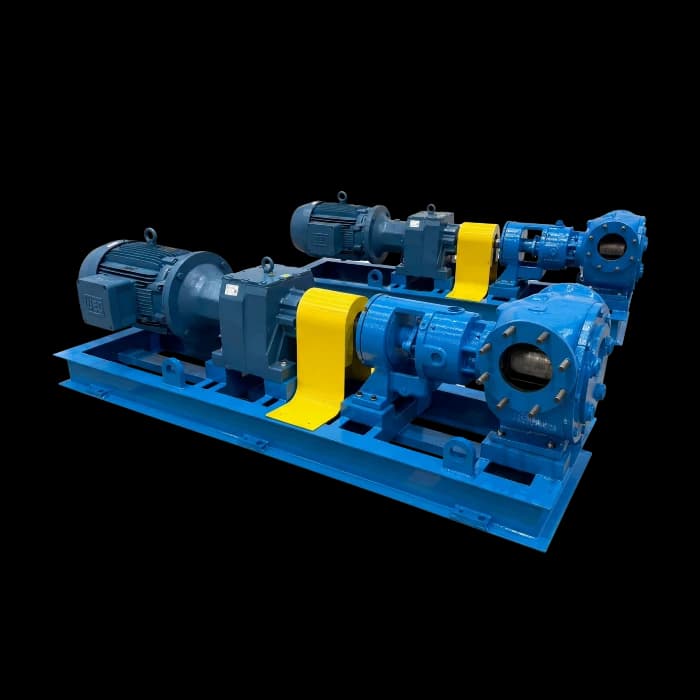
Internal gear pumps for viscous fluid transfer. Review the configuration, materials and series documentation.
Explore ModelsSérie FBCN
Centrifugal Pumps
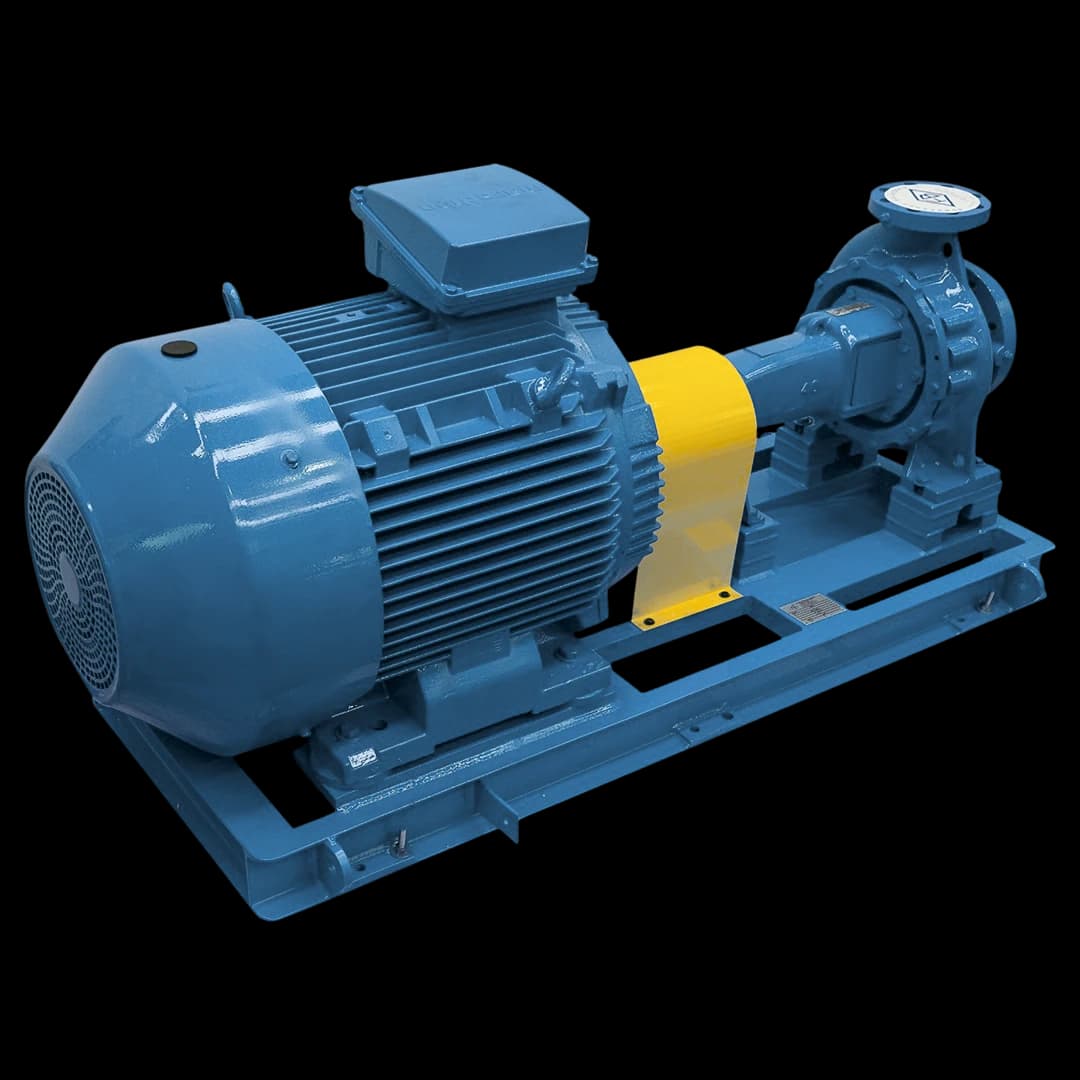
Standardized centrifugal pumps for industrial processes. Compare curves, nozzles and dimensions to select a model.
Explore ModelsFBME Series
Multistage Centrifugal Pumps
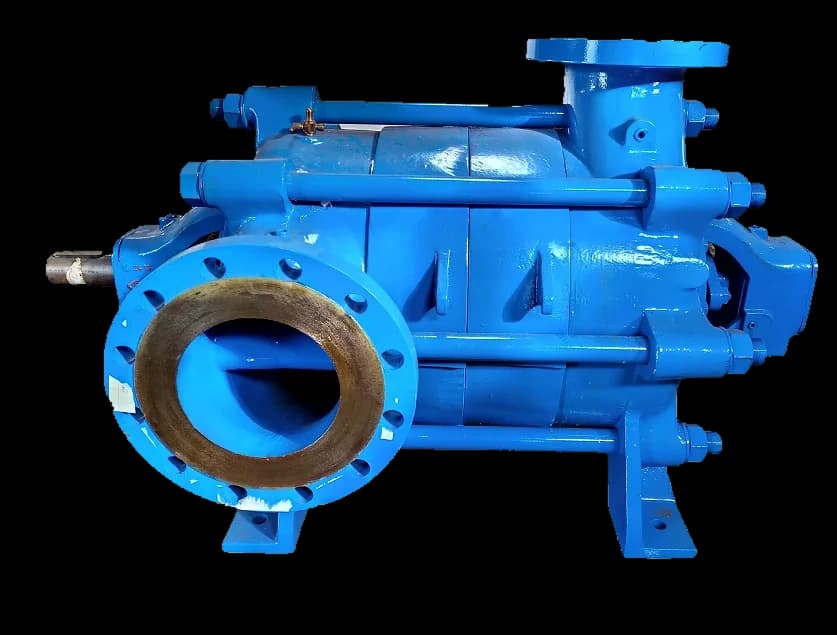
Horizontal construction with multiple stages for pressure elevation. Consult curves, sizes and technical documentation.
Explore the seriesSérie FBOT
Thermal Oil Pumps
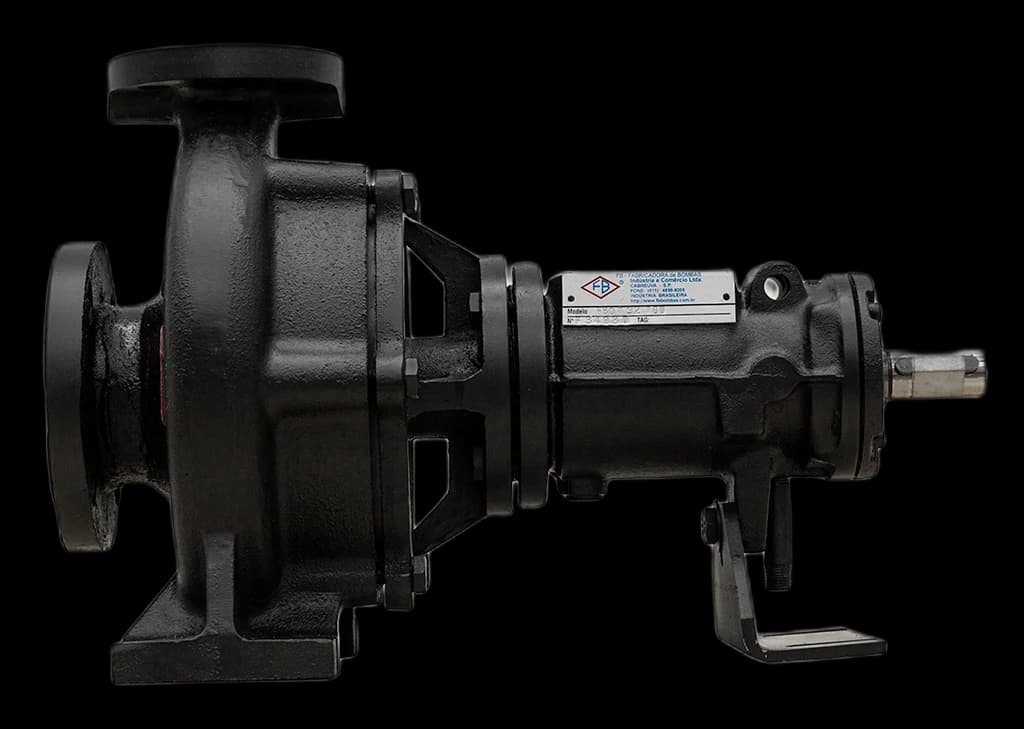
Pumps for thermal oil circulation in industrial heating systems. Consult the series operating conditions.
Explore ModelsFire Fighting
Fire Fighting Systems
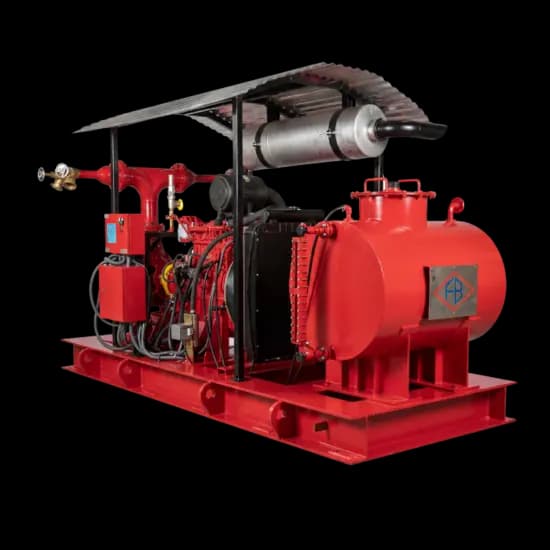
Pumping sets for fire protection systems. Review available configurations and the scope of supply.
Explore ModelsSpecial Solutions
Custom Engineering
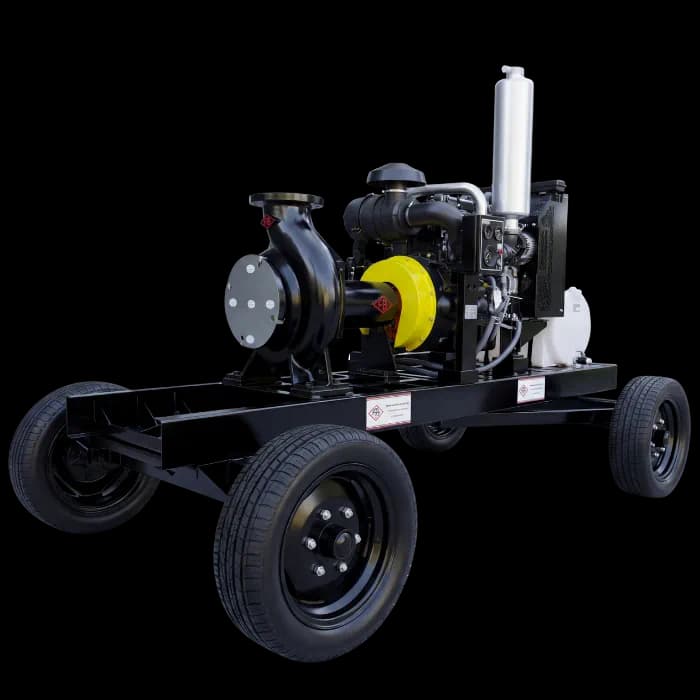
Skids, mobile sets and custom solutions. Send your process requirements for engineering review.
Request Project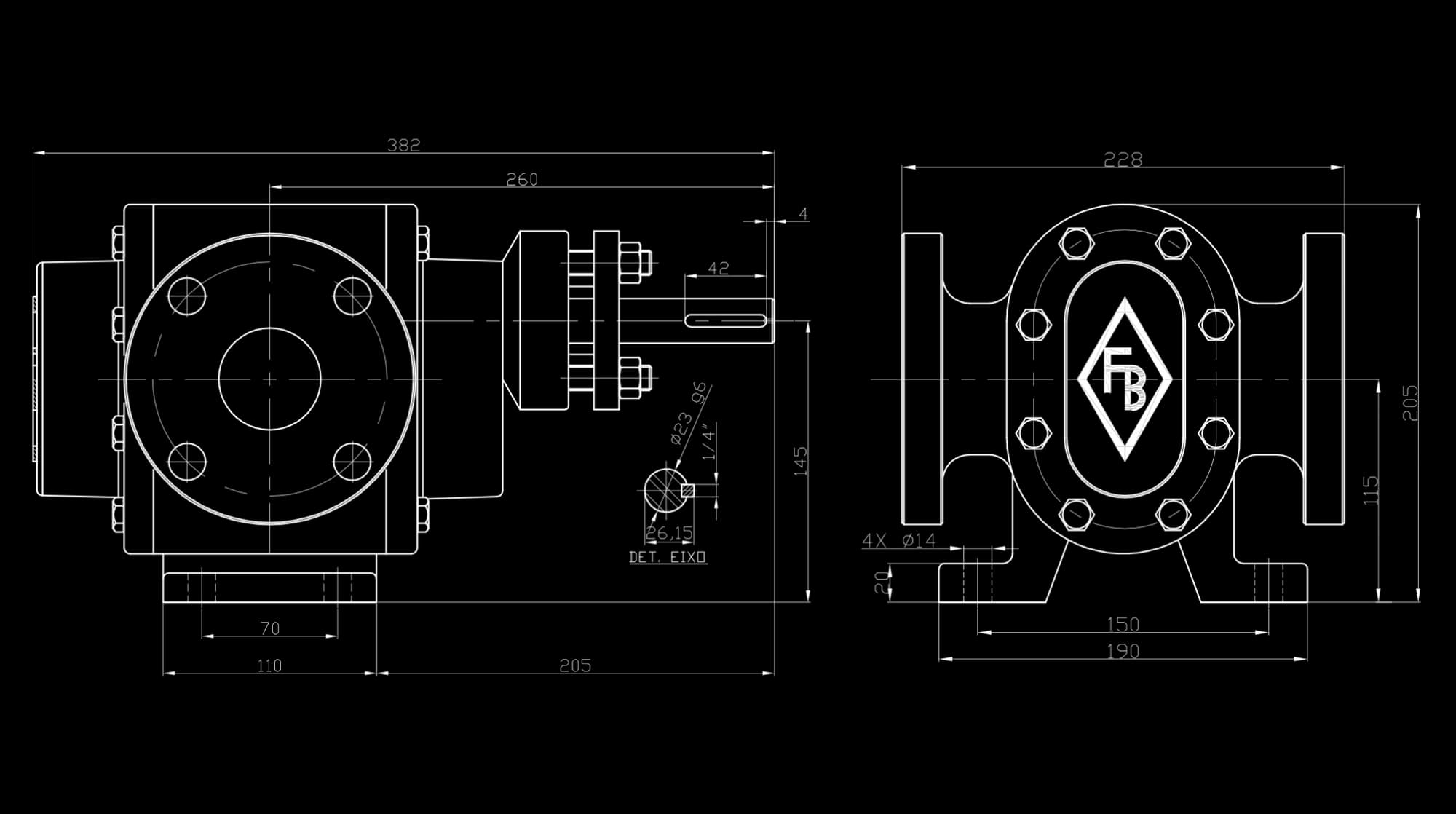
Need something different?
Beyond our four product series and fire-fighting systems, we develop custom solutions for your specific operational needs.
- Pumping skids and mobile units
- Special projects and customizations
- Material and seal adaptations
- Specialized technical consulting
Why choose FB Bombas?
Tradition in precision engineering for lasting industrial solutions
CRCC
Petrobras
API 610
Special projects
1/8"–6"
Gear
National Manufacturing
Manufacturing plant in Cabreúva-SP with state-of-the-art CNC machines and full process control, from raw material to finished product.
Technical Documentation
Petrobras CRCC qualification, ASME B73.1 compliance on centrifugals and in-house technical manuals on gear pumps for critical applications.
Direct Technical Support
Team of specialist engineers available for sizing, selection and complete technical assistance.
Factory Warranty
Warranty direct from the manufacturer: every pump ships bench-tested in-house, with spare parts in stock and after-sales handled by the factory itself.
Precision Engineering
Technology applied to the design of every manufactured pump
From Blueprint to Reality
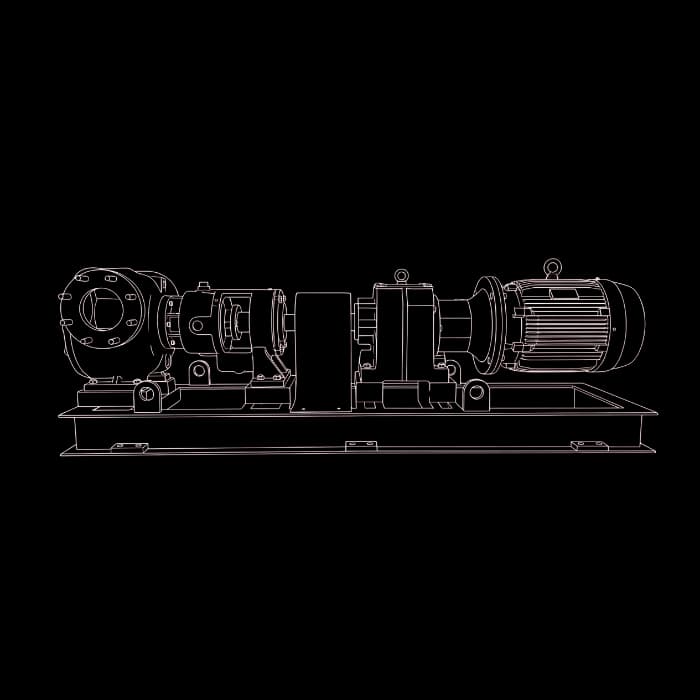
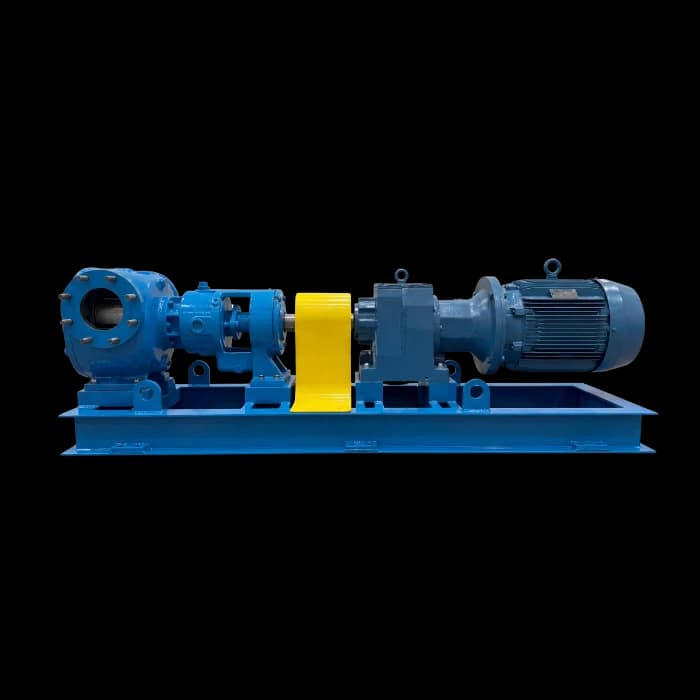
From sketch to machined part
Every FB pump starts as a technical drawing — gear geometry, volute and casing validated in 2D CAD before any cut. CFD simulations confirm hydraulic performance under the customer's real operating conditions.
What begins as a digital design takes shape in our manufacturing facility: CNC machining, assembly and bench testing — all in-house, with full traceability from start to finished product.
CRCC Petrobras
API 610
CAD 2D / CFD
Computational Simulation
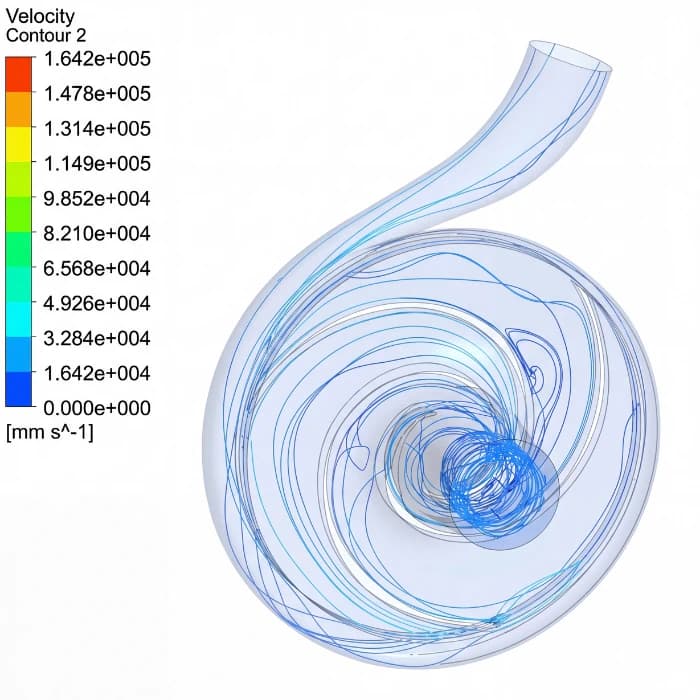 CFD — Velocity Contour
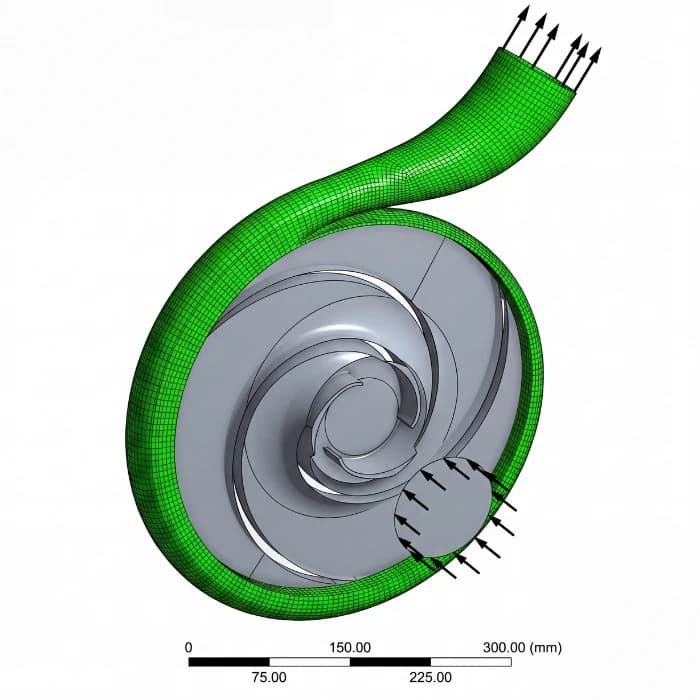 CFD — 3D Volute
Our engineering department uses CFD simulation and parametric 3D modeling at every stage of the design process. Below, two examples of hydraulic analyses performed on centrifugal pumps:
Velocity Contour
CFD analysis example on the volute cross-section. The velocity map reveals recirculation zones and loss points, enabling hydraulic geometry optimization before machining.
3D Volute — Flow Vectors
CFD modeling of the volute with flow vectors. This step validates pressure distribution and flow behavior under different operating conditions before cutting the part.
Main Applications
Pumping solutions for various industrial segments
How to select the right pump?
Technical criteria our engineers analyze for each project
01
Identify the fluid type
What fluid will be pumped?
- Viscosity – in SSU or cP at operating temperature
- Temperature – min. and max. working temp.
- Characteristics – clean, turbid, with solids, abrasive?
- Compatibility – corrosive, toxic, flammable?
Tip: Viscosity is the main criterion for gear pumps. Higher viscosity requires lower rotation speed.
02
Define process parameters
What are the operating requirements?
- Flow rate – in m³/h or l/min
- Head – or differential pressure in bar/m
- Available NPSH – to prevent cavitation
- Duty – continuous or intermittent
Tip: Our characteristic curves allow selecting the ideal model for your operating point.
03
Specify accessories
What are the installation conditions?
- Sealing – packing or mechanical seal
- Material – cast iron, stainless steel, bronze
- Drive – electric motor or combustion
- Special – heating jacket, API/ASME standards
Tip: Contact our engineering team for full technical specification.
Which series fits your application?
Send your process data for sizing:
Frequently Asked Questions
What is the relationship between viscosity and speed in gear pumps?
FBE speed is selected according to size, viscosity and duty point. Depending on configuration, speed ranges from 1,750 down to 150 rpm with a pulley or reducer. Manual MTEC-01/01 limits viscosity by size: 1/8–1/4 in., 2,500 SSU; 3/8–1 in., 7,500 SSU; 1.1/2–2 in., 50,000 SSU; 3–6 in., 100,000 SSU. Consult the model curve at operating temperature.
When to use mechanical seal vs packing in industrial pumps?
Sealing must be selected for the fluid, temperature, pressure and solids content. FBE manual MTEC-01/01 describes packing, mechanical seals, lip seals and magnetic coupling; the Type 21 seal uses ceramic and graphite faces with Viton. Consult FB for suspended solids. The FBOT manual describes graphite packing at the first stage and a mechanical seal in a cooler region. Verify the selected configuration; no mechanical seal should be presented as universally leak-free.
What is NPSH and why is it important for centrifugal pumps?
NPSH is the absolute total suction head above the head corresponding to the liquid vapor pressure, expressed in metres of pumped liquid. Compare installation NPSH available with the pump requirement and an appropriate service margin. NPSH3 corresponds to a 3% head drop caused by cavitation; merely exceeding it does not guarantee cavitation-free operation. For FBCN, use the model curve and consult engineering about suction, liquid and operating margin.
What construction materials does FB Bombas offer?
Materials must be specified by series, component and fluid compatibility. FBE manual MTEC-01/01 lists materials in Table 6: shafts run in TM23 bronze, graphite or PTFE bushings according to construction. Gears, shafts, casing and sealing have individual specifications; the material of one part does not describe the whole pump. Consult engineering for the selected configuration.
What is the difference between external and internal gear pumps?
FBE uses two external helical gears, driving and driven, with shafts supported by bushings. FBEI uses internal gearing with a rotor and an internal element, described in manual MAN001-10. Both series handle viscous fluids. Selection compares flow, pressure, viscosity, temperature, pulsation and suction conditions using each model curve; gear type alone does not establish pressure or efficiency superiority.
How does the heating jacket work in asphalt pumps?
The CA heating chamber maintains fluid temperature in the pump by circulating a heating medium. On FBE it is available only from 1.1/2 to 6 in.; sizes from 1/8 to 1 in. have no CA. Chamber temperature and operating conditions must be specified for the fluid and project. The 10 kgf/cm² in manual MTEC-01/01 is the pump hydrostatic test pressure, not an allowable chamber steam pressure. Consult engineering for asphalt, resins and other viscous fluids.
What is the difference between FBE, FBCN and FBOT series?
The FBE series are external gear pumps for viscous fluids (oils, resins, asphalt). The FBCN series are normalized centrifugal pumps built per ASME B73.1 for general industrial applications. The FBOT series are specialized pumps for thermal oil at temperatures up to 350°C.
Which pump is ideal for high-volume viscous fluids?
For large volumes of viscous fluids such as asphalt, bunker oil and molasses, the FBEI-LS series (large-format internal gear, driven by a speed reducer for high torque at low speed) is engineered to order by the application engineering team. For smaller volumes, the standard FBEI series (10 models from 1" to 4") covers most high-viscosity applications.
Do FB Bombas pumps comply with API 610?
Yes, in engineered-to-order special solutions. FB Bombas is CRCC Petrobras approved and delivers projects per API 610 (refining, petrochemical, oil and gas) on request. The catalog FBCN series, however, is normalized per ASME B73.1 — the standard for chemical-process, water and sanitation centrifugal pumps.
Does FB Bombas supply fire fighting systems?
Yes. FB Bombas supplies fire-pump packages with an electric or diesel main pump and options for jockey pump, panels, valves and accessories according to the contracted scope. Pump-system design considers NFPA 20 and NBR 16704. Configuration and acceptance documentation are confirmed in the technical proposal.
What is the maximum temperature supported by FBOT pumps?
FBOT series thermal oil pumps operate at temperatures up to 350°C, ideal for industrial heating systems, boilers and thermal processes.
How is the FB Bombas catalog organized?
The catalog is organized into seven families: FBE, FBEI, FBCN, FBME, FBOT, FBFS fire systems and special solutions. Series pages list documented models or configurations. Consult the available curve, dimensional drawing and manual for the selected equipment; special solutions are defined by project.
How to choose between gear pump and centrifugal pump?
Selection between gear and centrifugal pumps depends on flow, pressure or head, viscosity at operating temperature, suction conditions and materials. FBE and FBEI serve viscous fluids; FBCN serves centrifugal applications and FBOT thermal oil circuits. There is no universal 100 cP threshold: compare corrected curves, internal losses and power at the same duty point with engineering.
Does FB Bombas build custom pumps outside the standard catalog?
Yes. Special Solutions includes skids, mobile units and complete-pump replacement projects. Engineering defines the scope from the fluid, duty point, materials, assembly and required tests. FB does not supply other brands’ spare parts or operate a multi-brand overhaul shop. Availability and timing are confirmed in the quotation.
Where is the FB Bombas factory located and how long has it operated?
FB Bombas was founded in 1944 in São Paulo. The current factory is at Av. Adolpho João Traldi, 80, Jacaré, Cabreúva-SP, Brazil, 13318-000. Current CNPJ: 61.381.240/0001-78. Petrobras CRCC is a registration credential; design conformity is verified for the series and supply scope.
Technical Guides
Deep-dive into each pumping technology — principles, applications and technical selection.
Gear Pump
Positive displacement for viscous fluids: oils, asphalt, resins and chemicals.
Read technical guide
Centrifugal Pump
Constant flow for water, clean fluids and industrial processes. API 610 / ASME B73.1.
Read technical guide
Thermal Oil Pump
Operation up to 350°C for industrial heating systems and thermal fluids.
Read technical guide
Positive Displacement Pump
External and internal gear: precise flow, low pulsation, high pressure.
Read technical guide
Technical Manuals
Complete documentation for installation and maintenance
Companies that Trust FB Bombas
Present in the largest industrial projects in Brazil and Latin America












Need help?
Our technical team is ready to help you find the ideal pump for your application.