What type of mechanical seal do FB Bombas pumps use?
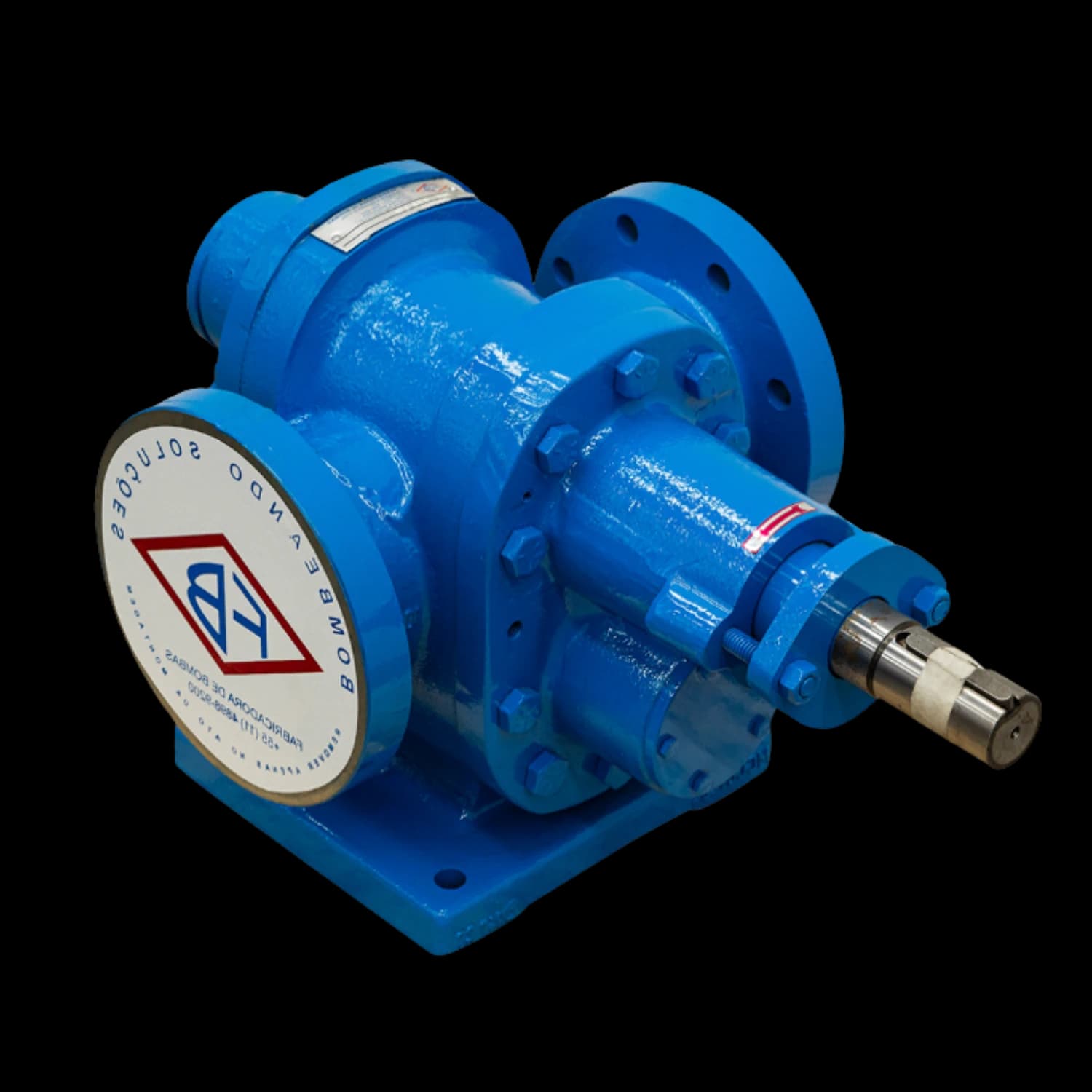
It depends on the series. The FBE can have packing, a mechanical seal, a lip seal or a magnetic coupling; the standard seal is type 21, in ceramic, graphite and Viton, with an AISI 304 stainless-steel spring.
The FBCN uses packing or a mechanical seal, the FBOT combines graphite packing as the first sealing stage with a mechanical seal immersed in the bearing-housing oil, and the FBEI accepts packing or a single, double or cartridge mechanical seal. State the fluid, concentration, temperature and pressure of the process to define the arrangement.
Are FB Bombas pumps energy efficient?
It depends on the model and the duty point; there is no single efficiency figure for the brand. The FBCN and FBME characteristic curves show the efficiency of each model and, for stainless-steel impellers with passages up to 15 mm, the FBCN manual deducts 2 or 3 points from the curve efficiency (Table 4).
For the project, compare the absorbed power at the process flow, head and fluid, also considering drive, control and operating duty.
Are FB Bombas pumps delivered to Água Fria with a traceable Data Book?
When the Data Book is part of the purchase scope. State which drawings and manuals are required; the proposal confirms the documents applicable to the supplied series and configuration. The same Data Book is not assumed for every pump.
Does FB Bombas manufacture custom pumps?
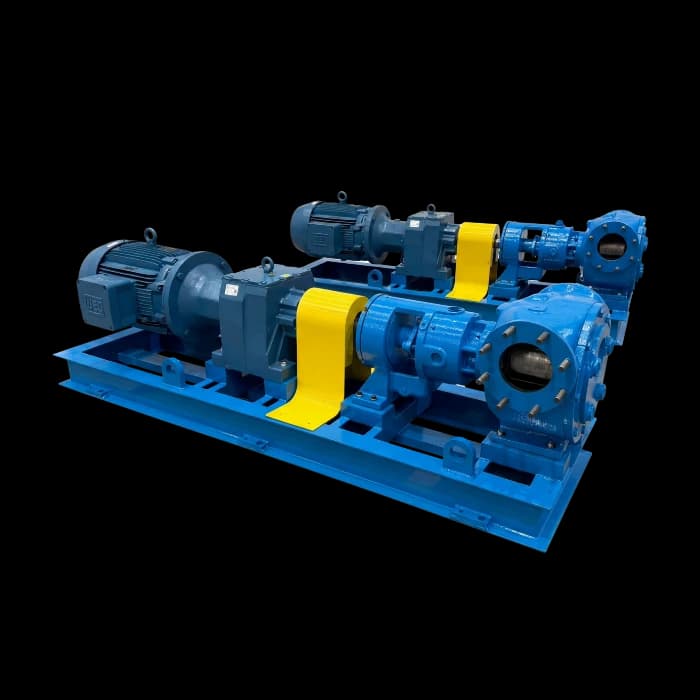
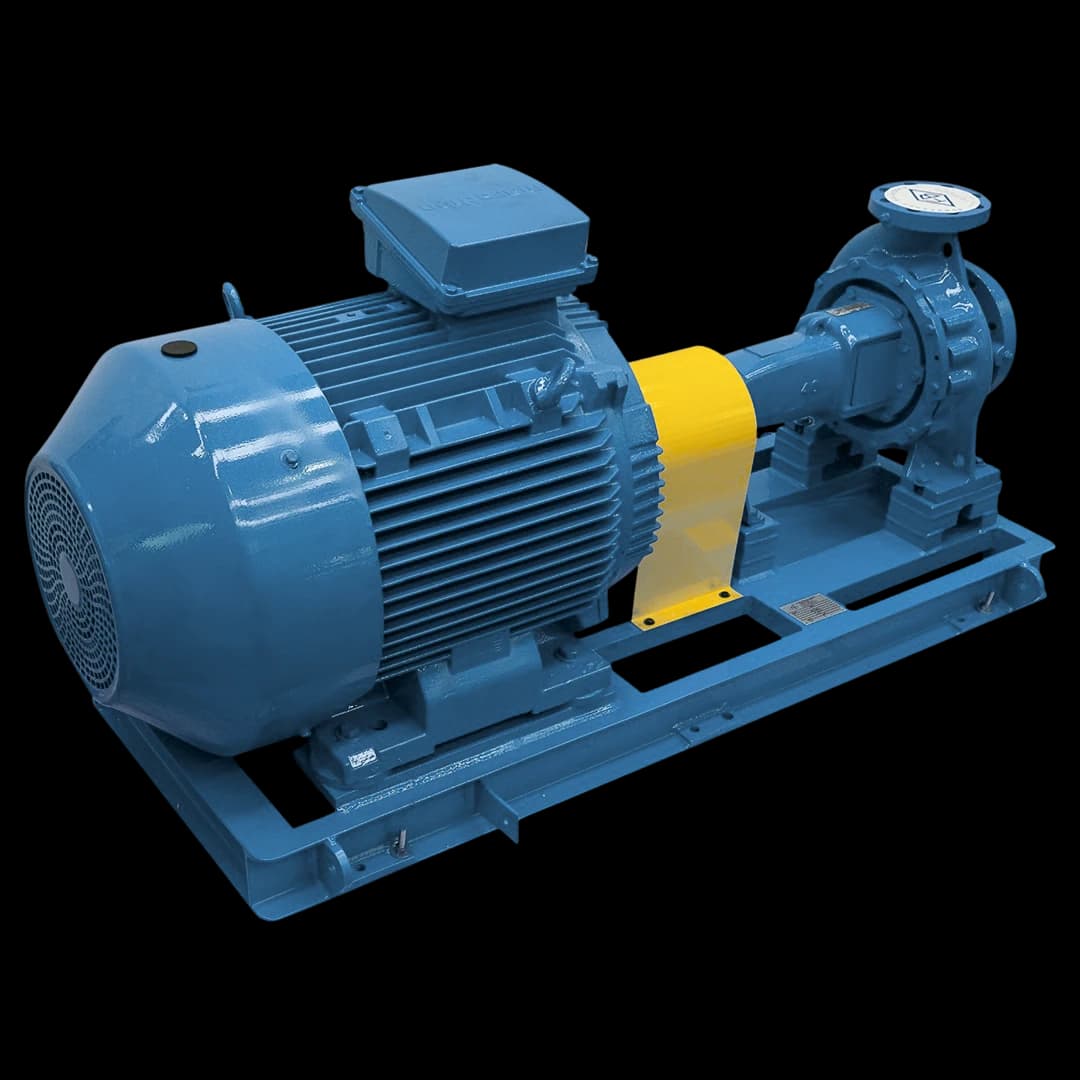
Yes, in the five Custom Solutions categories: custom complete motor-pump assembly, mobile industrial kit, industrial pump skid, retrofit with a new FB Bombas pump in place of the installed one, and special materials projects. The scope of each project is defined with engineering before manufacture.
How can I request a pump vibration assessment in Água Fria?
Send the series and model of the pump installed, the operating conditions and the available vibration records; the standard, measurement points and limits are defined for the assembly, with no single limit for every pump.
Check the alignment first: the FBEI (MAN001-10) and FBME (MSERV-08/01) manuals identify pump-to-motor misalignment as a source of vibration and premature wear and call for realignment after final installation, because transport usually misaligns the set, which leaves the factory pre-aligned. The stated tolerance is under 0.05 mm radial and 0.6° angular, according to the coupling supplier.
Does FB Bombas serve Água Fria?
Yes. Projects are handled by the factory team. Send your industrial requirement and the data already available. Configuration, availability, transport and any on-site service are confirmed according to the requested scope.
What is the balancing grade of FB Bombas pumps for critical projects in Água Fria?
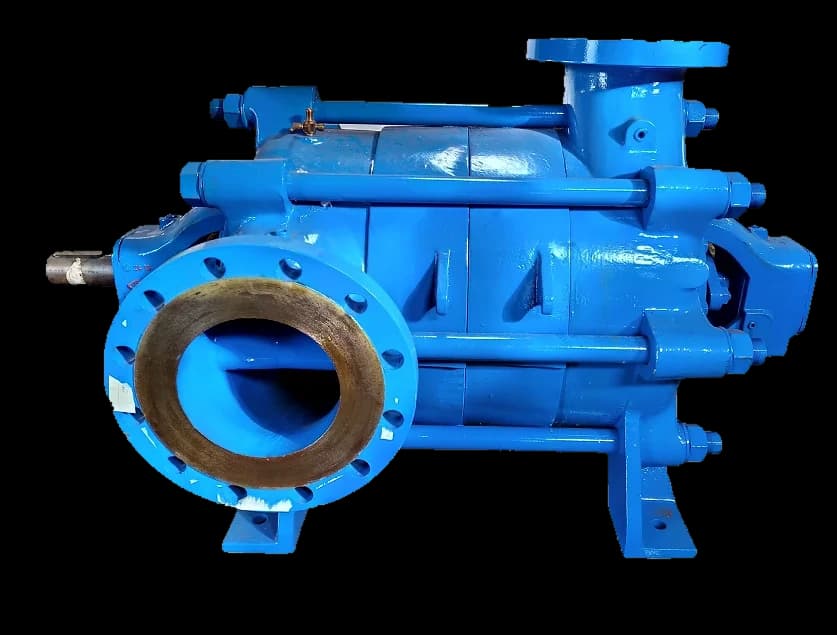
For FBME, the impeller is statically and dynamically balanced to grade G6.3 (MSERV-08/01, item 12.2). FB Bombas does not publish a grade in the other series documents; for them and for critical projects, specify the required standard, grade and report in the purchase scope. Impeller balancing alone does not guarantee the vibration level of the installation.
How can I check pump stock for Água Fria?
FBE pumps from 1/8″ to 4″ are kept in stock at the factory, in every configuration and option; for the FBE 5″ and 6″ and the other series, our team confirms availability together with pricing.
Are FB Bombas pumps easy to maintain?
It depends on the series. On the FBCN and FBOT, back pull-out construction allows the bearing-housing assembly to be removed without disconnecting the piping, and the FBEI catalogue also indicates back pull-out construction. The FBE external gear pump is not back pull-out: its shafts are supported on bushings.
Before working on the equipment, check the series manual, the sectional drawing and the parts list.
Up to what temperature can FB Bombas pumps operate?
It depends on the series. The published limits are up to 260 °C for the FBCN, 350 °C for the FBOT, 340 °C for the FBEI and 140 °C for the FBME. For the FBE, the 2026 catalogue gives a range of 10 °C to 500 °C; the limit of each configuration depends on materials and sealing.
These are series limits: they do not automatically apply to every model, nor do they necessarily occur together with the other maximums. State the start-up, operating and cleaning temperatures of the process.