

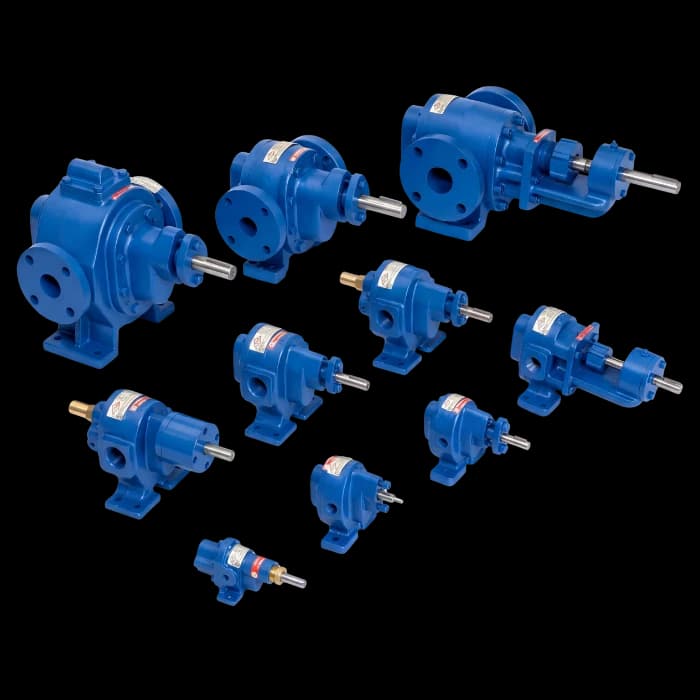
Selection starts with fluid and duty point. Assess FBE for viscous liquids, FBCN for duties compatible with its hydraulics and materials, and FBOT where a thermal-oil circuit exists. Embrapa describes multiple-effect evaporation heated by steam; it is not a general FBOT application. Confirm materials, solids, temperature, suction and sealing for each duty.
At a glance
- Select FBE for molasses using actual viscosity, temperature, flow, pressure and suction.
- Assess FBCN materials, solids and sealing for juice and vinasse; 2,200 m³/h is a range limit.
- Embrapa describes steam-based multiple-effect evaporation; FBOT serves thermal-oil circuits.
- Fire-pump assembly configuration depends on the design and adopted standards.
- A duty list and fluid data enable range assessment without assuming suitability for the entire plant.
1. Overview: why the mill needs multiple pump technologies
A plant pump list should separate process and utilities. Record composition, concentration, solids, temperatures, flow, pressures and duty cycle for each point. Juice, molasses and vinasse name process streams; they are not complete material and hydraulic selection data.
Organise the enquiry by duty and compare available ranges with process data. FB Bombas offers external and internal gears, centrifugal and thermal-oil pumps. These families do not establish suitability for every plant duty; each configuration needs selection.
2. Molasses and final honey — FBE series (gear)
For molasses and final molasses, obtain startup and operating viscosity with temperature, concentration and measurement method. These data support FBE assessment without assigning one SSU range to all molasses. Also confirm particles, material compatibility and suction conditions.
- Viscosity: use product data at startup and operating temperatures.
- Speed: consult MTEC-01/01 Table 2 for the viscosity band and listed sizes.
- Drive: Table 2 includes 850 rpm direct drive at 2,500–7,500 SSU; reduction depends on band and model.
- Model: select by actual flow, pressure, speed and inlet capability.
- Materials and sealing: confirm composition, cleaning conditions and process compatibility.
If heating is required, specify service fluid, jacket pressure and temperature. Confirm the FBE CA option for the configuration; FBEI manual heating limits apply to FBEI.
3. Cane juice, vinasse and process water — FBCN series (centrifugal)
The FBCN manual describes clean or turbid liquids and back-pull-out construction. Juice and vinasse selection requires solids, composition, temperature and sealing conditions. A stream name does not establish particle passage or chemical resistance of a configuration.
- Juice: state concentration, temperature and solids before selecting materials and hydraulics.
- Vinasse: assess fluid analysis and duty; 316L stainless steel and flushing are not universal solutions.
- Process water: confirm quality, flow and head. The published 2,200 m³/h is an FBCN range limit, not every model’s rating.
- Maintenance: back-pull-out design allows removing the rotating assembly without disconnecting piping — ideal for inter-harvest shutdowns
4. Thermal-oil circuits — when to assess FBOT
In Embrapa’s description of sugar production, multiple-effect evaporation uses steam to concentrate juice. FBOT applies to actual thermal-oil circuits, not to steam or juice merely because evaporation is involved. Identify the liquid the pump will circulate.
- Temperature: up to 350 °C as the FBOT range limit; confirm oil, pressure and configuration at the requested duty.
- Sealing: the catalogue describes graphite packing and a mechanical seal; confirm the supplied seal configuration.
- Allowable pressure: check the configuration’s pressure–temperature curve and materials separately from developed head.
- Back-pull-out construction — same maintenance advantage as FBCN
5. Fire protection in the mill
Fire-protection design must consider plant hazards, including fuel storage and processing. Pump configuration and documentation depend on the approved design and local authority. State adopted standards and the intended FBFS assembly scope in the enquiry.
- Pumps, drives and redundancy: as defined by the design.
- Controllers, instrumentation and skid assembly: confirm proposal scope.
- NFPA 20 and NBR 16704: identify adopted edition, application and evidence requirements.
6. Why juice and vinasse punish ordinary pumps
Juice or vinasse data should include composition and solids as well as measured pH and temperature. Resistance depends on fluid, metallurgy, elastomers and sealing together. Request particle size and concentration; turbid liquid in the manual does not approve every abrasive or fibrous mixture.
For molasses, compare viscosity with speed and pump inlet capability. Higher viscosity can reduce internal slip while increasing suction losses and power. Select speed from configuration tables and line conditions; no single speed range suits all final molasses.
7. Season and off-season: the calendar that dictates maintenance
Plan shutdown and restart around the installed equipment. Record sealing, coupling, lubrication, wetted materials and operating history. Preservation during inactivity should follow each pump and drive manual with a procedure compatible with the liquid.
Map spare parts by model, configuration and criticality before planned maintenance. Confirm availability and lead time in the enquiry. Domestic manufacture does not establish a fixed delivery period for every part or guarantee the entire shutdown schedule.
Record identification, condition and preservation actions for each assembly. Cleaning, draining, protection and shaft rotation must follow its procedure; do not apply one generic frequency to the whole plant.
8. Summary: which FB pump at each mill stage
Quick reference for specifiers and project engineers:
| Stage / Fluid | FB Series | Why |
|---|---|---|
| Molasses and honey transfer | FBE | Viscosity, actual flow and suction |
| Cane juice circulation | FBCN | Solids, materials, flow and head |
| Vinasse | FBCN subject to assessment | Fluid analysis and compatibility |
| Imbibition / wash water | FBCN | Water quality and duty point |
| Thermal-oil circuit | FBOT | Oil, temperature and allowable pressure |
| Fire protection | Fire NFPA | Design and adopted standards |
| Viscous additive dosing | FBEI | Compatibility and required accuracy |
Send the duty list, fluid data and operating conditions to assess applicable ranges. Contact WhatsApp +55 11 97287-4837 or comercial@fbbombas.com.br.